The Cruiser That Never Returned – The Chronicle of IJN Myoko / KM Tokio
An Alternative Naval History
When the Imperial Japanese Navy dispatched the heavy cruiser Myoko on a goodwill world cruise in the summer of 1939, few imagined the voyage would become one of the most unusual naval odysseys of the 20th century. Intended as a projection of Japanese naval prestige, the ship left Yokosuka with great ceremony, crossed the vast Pacific with stops at Hawaii and San Diego, transited the Panama Canal, and proceeded along the American east coast before crossing the Atlantic for her European leg.
A Breakdown in Kiel
By mid-August Myoko steamed proudly into Kiel, Germany’s principal naval port, where thousands lined the shore to see the visiting cruiser. But only moments before reaching harbor, disaster struck: a catastrophic failure in the main propulsion system crippled the ship. She had to be ignominiously towed into the Deutsche Werke shipyard.
Initial assessments suggested repairs would be lengthy and complicated, replacement components would have to be shipped from Japan. Then came 1 September 1939, and with it the outbreak of the Second World War.
A Ship Stranded by Global Events
Japan, still neutral at that stage, declined to expose its valuable cruiser by sending it through increasingly dangerous waters. Even within the Reich, Myoko fell down the priority lists; German naval yards were overwhelmed with their own wartime needs. Work proceeded fitfully and by the time the engines were finally operable again—more than two years later—the world had changed dramatically. The parts Japan intended to send never arrived; German technicians reverse-engineered replacements.
On 4 December 1941, Myoko made her first tentative sea trial in the Baltic. Before she could return to Japan, news arrived of the Japanese attack on Pearl Harbor. From that day, German waters were no longer a sanctuary from Allied attention, and the return journey to the Pacific was deemed impossible.
A Historic Transfer
Negotiations between Berlin and Tokyo began immediately. The Germans offered advanced submarine and aircraft technologies in exchange for the stranded cruiser. In early 1942, a remarkable agreement was reached: Myoko would be transferred to the Kriegsmarine.
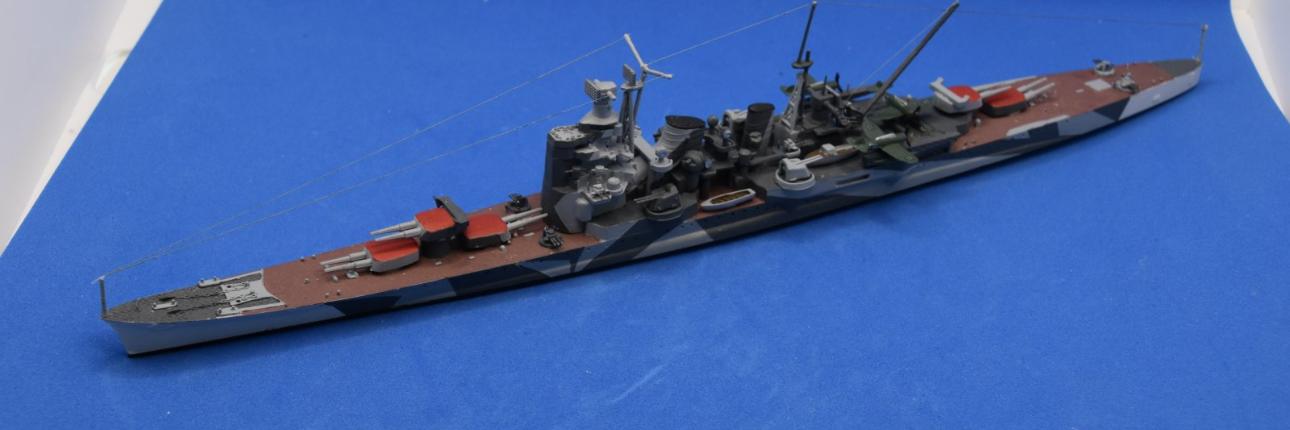
Renamed KM Tokio, a symbolic gesture respecting her origins, the cruiser was refitted with German radar systems, updated fire-control equipment, and new secondary guns. A mixed Japanese–German auxiliary crew assisted during the final modifications. By March 1942, Tokio was ready for duty.
Service in Northern Waters
In late April she sailed north to join the formidable but increasingly embattled German surface fleet in Norway. For over two years, Tokio operated from the fjords alongside Tirpitz, Admiral Hipper, and Lützow. Her contributions were notable:
-
Battle of the Barents Sea (Dec 1942): Tokio severely damaged HMS Sheffield in the confused Arctic melee.
-
Operation Sizilien (Sept 1943): Provided bombardment support during the German attack on Spitzbergen.
-
Numerous attempts to intercept Arctic convoys, many thwarted by weather or Allied escort carriers.
By late 1944, after the destruction of Tirpitz, Germany’s northern fleet collapsed as a strategic threat. Tokio withdrew to the Baltic—one of the last major surface units still afloat.
Final Fate in the Baltic
In early 1945, while supporting evacuations from East Prussia, Tokio was stalked and struck by two torpedoes fired by the Soviet submarine S-13, the same boat that sank the Wilhelm Gustloff. Badly holed but kept afloat through emergency measures, the cruiser limped toward Kiel. She was deliberately run aground in the Heikendorf Bight to prevent sinking.
After the war, the hulk was declared a constructive total loss. Salvage crews dismantled what remained between 1947 and 1949, ending one of the most unusual voyages ever undertaken by a warship.
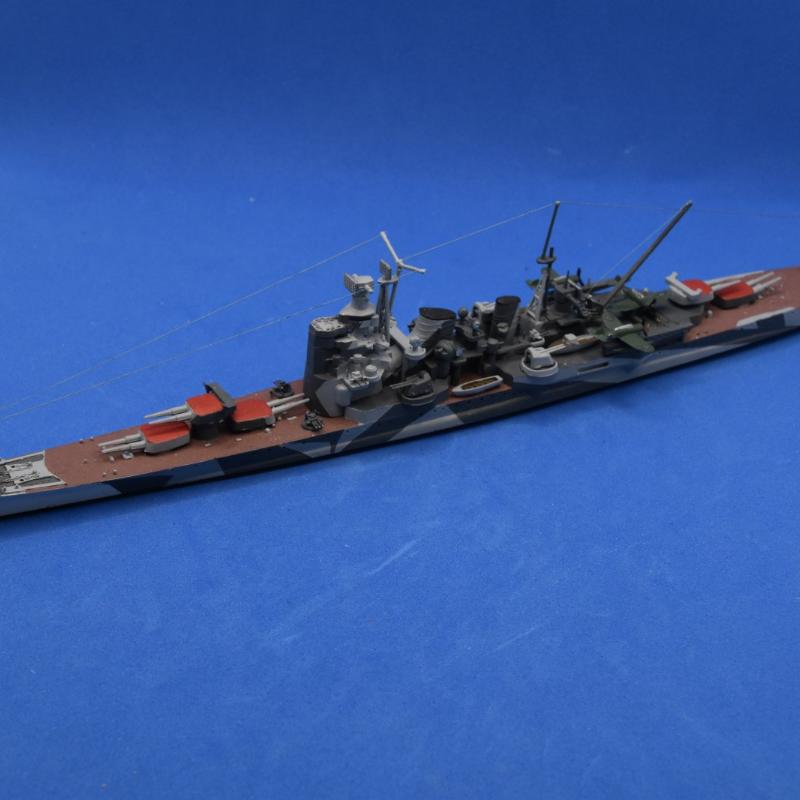
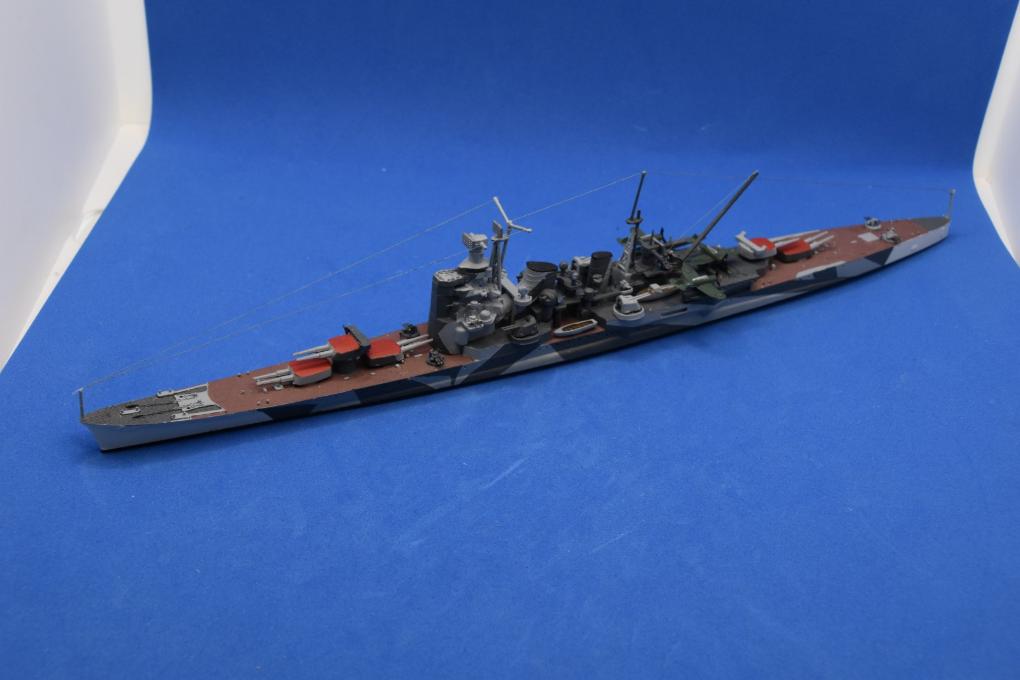
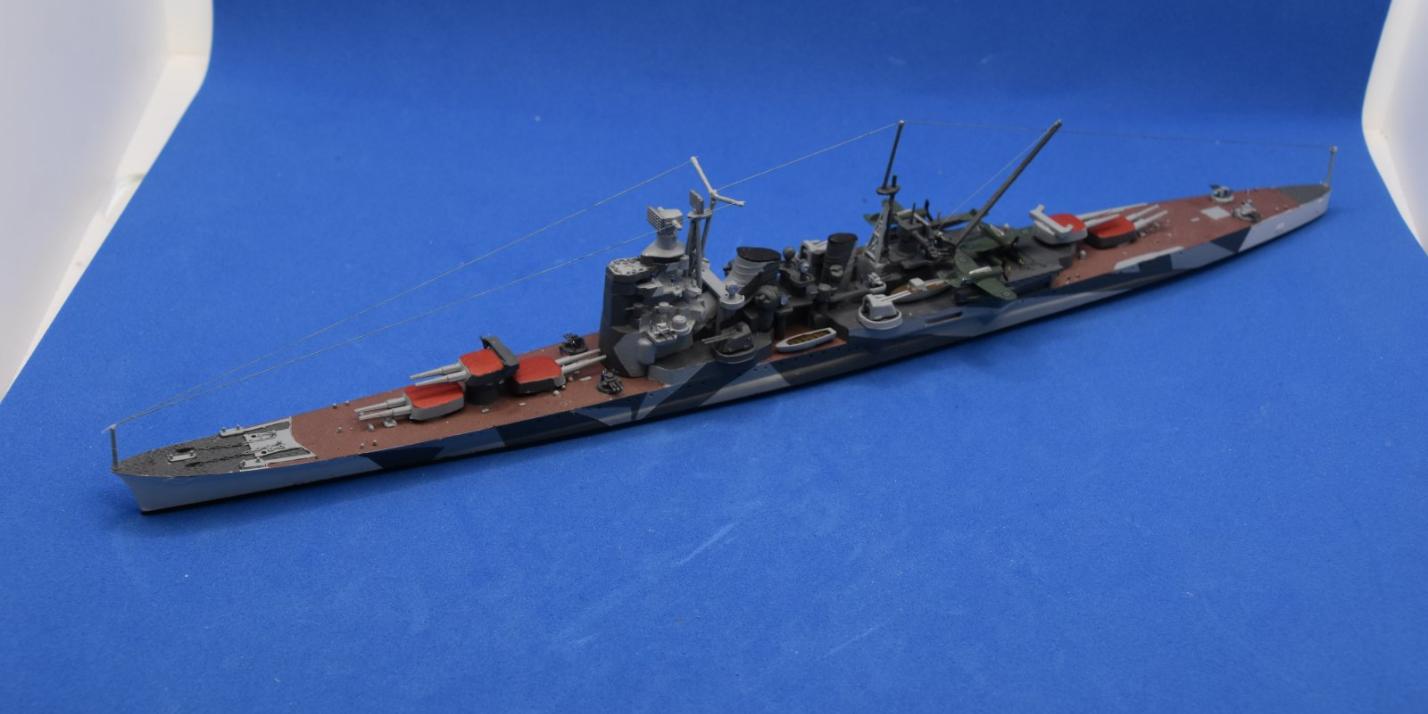
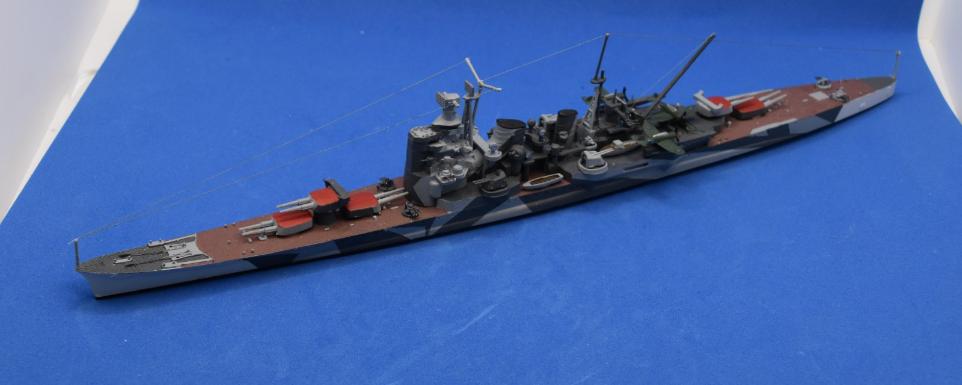
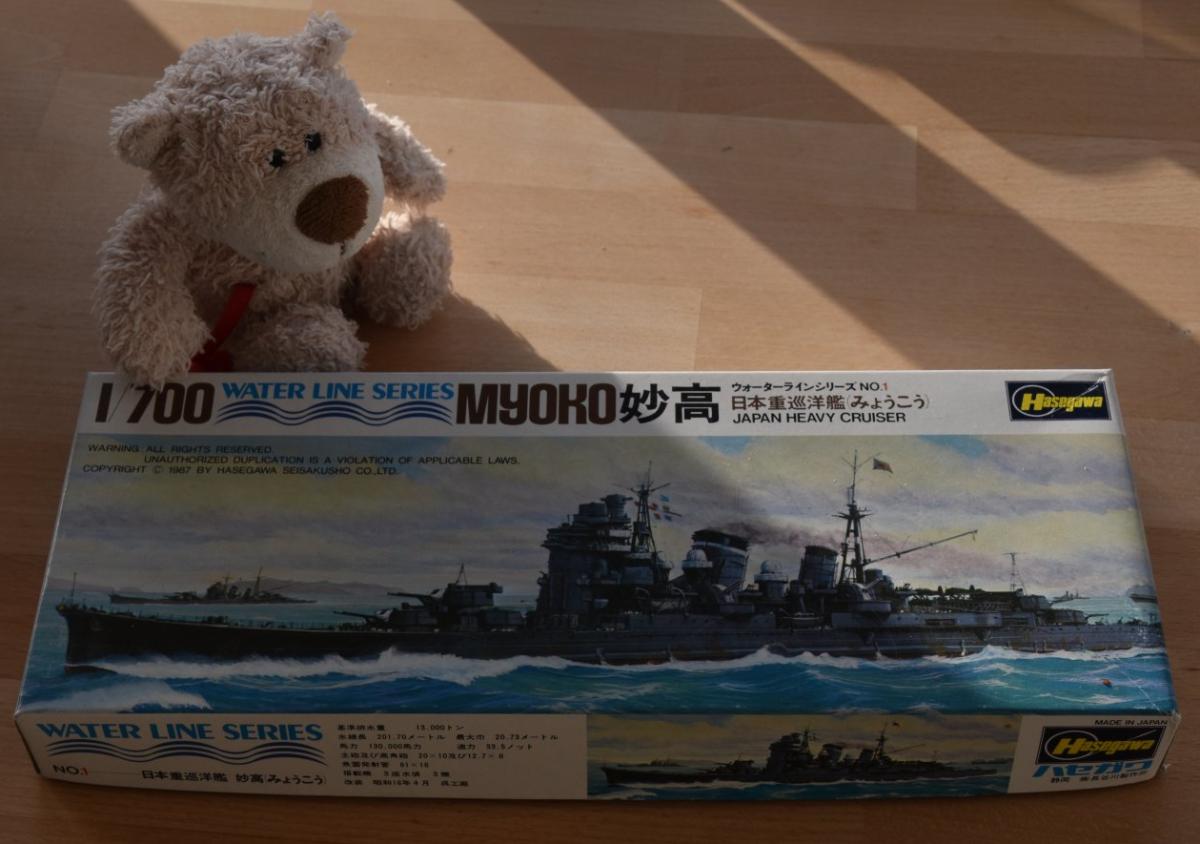
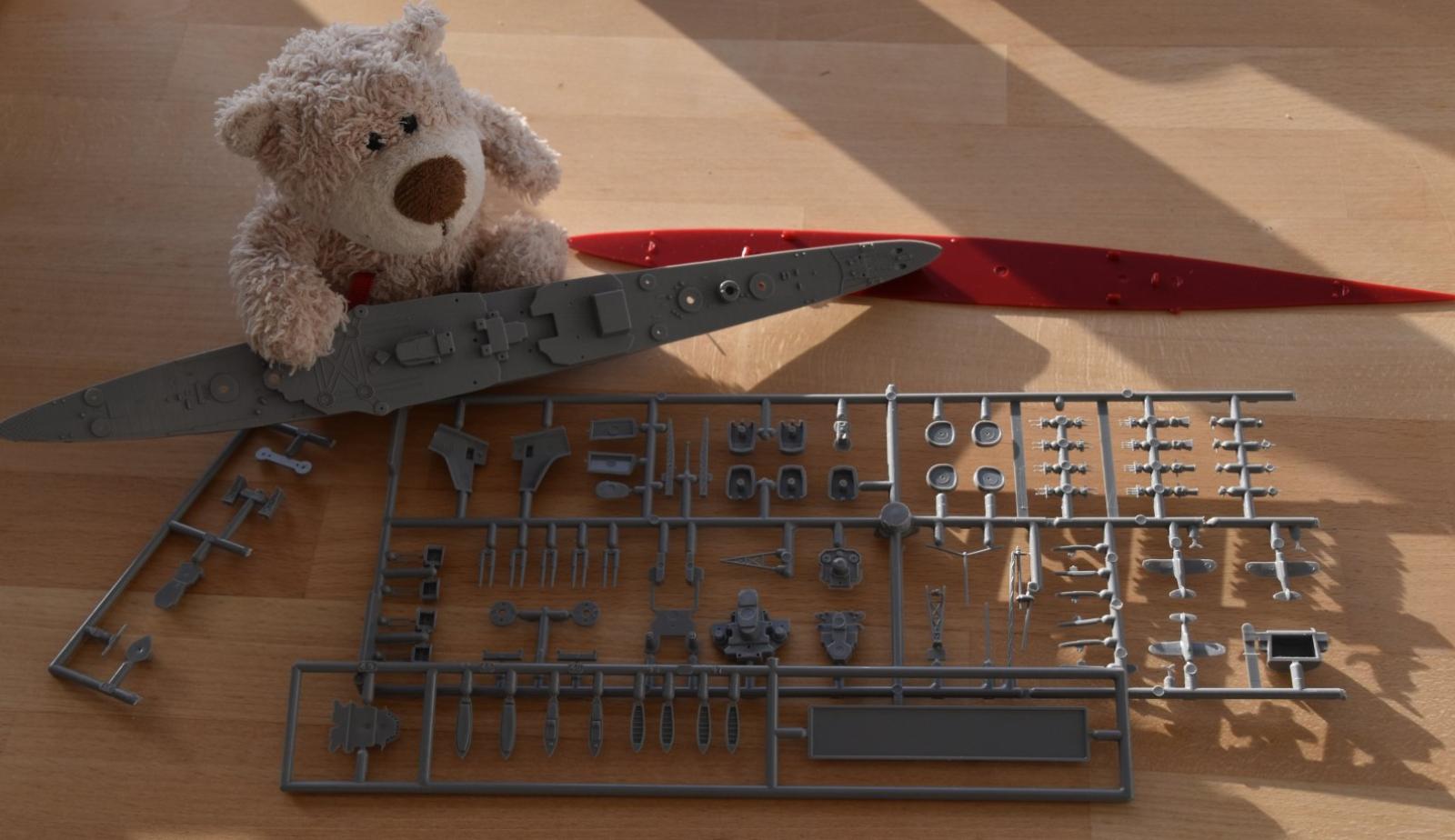
The model shows the ship during its time in Norway in April 1943.