Manufacturer: 3D print
Scale: 1/72
Additional parts: 3D prints
Model build: Oct 2024 - Jan 2025
Manufacturer: 3D print
Scale: 1/72
Additional parts: 3D prints
Model build: Oct 2024 - Jan 2025
The blizzard howled like a tormented spirit, whipping snow into a blinding white fury across the Greenlandic ice sheet. Inside Snowtractor 73, Sergeant Ivik gripped the wheel, his knuckles white. The radio crackled with static, punctuated by the frantic voice of the pilot, moments before the crash. "Mayday... engine failure... Aappilattoq... can't...!" Then, silence.
Ivik's mission: locate and rescue the downed Greenland Air flight. The Snowtractor, a hulking orange beast built on the bones of a WWII German tank, was his only hope. Its powerful diesel engine, a relic of a bygone era, roared defiance against the storm. The repurposed treads churned through the deep snow, leaving twin trenches in their wake.
Beside him, Corporal Nuka adjusted the radio antenna. "Still nothing, Sergeant. The storm's jamming everything."
Ivik nodded grimly. The Snowtractor's age was a constant concern, but today, its rugged simplicity was an asset. Modern electronics would have been crippled by the storm, but the Snowtractor, a mechanical dinosaur, plowed on.
Hours crawled by. The wind buffeted the vehicle, threatening to push it off course. Ivik relied on his instincts and the faint tracks of the crashed plane, barely visible beneath the drifting snow. Suddenly, Nuka shouted, "Tracks! Fresh ones! Heading towards that crevasse!"
Ivik slammed the Snowtractor into a hard turn. The vehicle groaned, its ancient components protesting, but it obeyed. They followed the tracks to the edge of a deep ravine, where the wreckage of the small plane lay scattered amongst the jagged ice.
"They're alive!" Nuka yelled, spotting figures huddled near the fuselage.
The storm intensified, making a direct approach impossible. The crevasse was too wide for the Snowtractor to cross. Ivik knew they had to find a way down. He spotted a narrow, snow-covered slope leading into the ravine. It was risky, but it was their only option.
"Hold on!" Ivik yelled, engaging the Snowtractor's lowest gear. The vehicle lurched forward, its treads biting into the icy slope. The descent was treacherous. The Snowtractor slid and swayed, threatening to tumble into the ravine. Ivik fought for control, his muscles straining against the wheel.
Finally, they reached the bottom. The survivors, battered but alive, rushed towards the Snowtractor. Ivik and Nuka quickly helped them inside the cramped cabin. There were ten of them – pilot, co-pilot, and eight passengers. It was a tight fit, even for the Snowtractor's nine-person capacity, but they managed.
As they prepared to ascend, the ground beneath them shifted. A section of the slope, weakened by the storm, began to give way. Ice and snow cascaded down, threatening to bury them.
"Go! Go!" Nuka screamed.
Ivik floored the Snowtractor. The engine roared, its exhaust billowing into the swirling snow. The treads clawed at the icy incline, struggling for traction. The vehicle shuddered and groaned, its old frame protesting under the strain. For a terrifying moment, it seemed they would be swallowed by the collapsing slope.
Then, with a final surge, the Snowtractor crested the top. They were safe. Ivik breathed a sigh of relief, wiping sweat from his brow. The old machine, a relic of a forgotten war, had once again proven its worth. As the Snowtractor rumbled back towards base, carrying its precious cargo through the raging blizzard, Ivik knew that the legend of the Snowtractor, built on the bones of the past, would continue to endure in the harsh, unforgiving landscape of Greenland.

When Greenland declared full independence in 1965, its leaders quickly realized that the newborn nation faced a unique logistical challenge: the Ice Sheet was both its greatest barrier and its greatest highway. With most settlements scattered across the southern and western coastline and no road network connecting them, Greenland needed a rugged, cold-resistant, all-terrain vehicle—something between a tractor, an APC, and a polar research machine.
Determined to remain neutral, Greenland refused offers from NATO and Warsaw Pact nations. Instead, it sent out an international request for proposals to other neutral states, Sweden, Finland, and Switzerland.
Switzerland provided the most sophisticated design, Sweden the most modern, but neither came remotely close to Greenland’s limited budget. Finland’s bid, delivered by Sisu, was the cheapest, and seemed surprisingly robust for the cost. Only years later did the truth emerge: Sisu kept expenses low by secretly reusing components from surplus German Type III tanks, purchased cheaply after WWII and stored in Finnish depots.
The first production vehicle, simply called the “Snowtractor”, arrived in Nuuk in January 1968. By 1975, a total of 112 Snowtractors had been delivered, forming the backbone of Greenland’s overland mobility.
Each vehicle featured:
A 9-person heated cabin + driver
Cargo capacity of 4 tons
A diesel engine capable of running in –45°C conditions
Range: 650 km, enough to cross southern sections of the ice sheet
Wide tracks adapted from WWII tank components
Tow hooks for pulling up to three cargo sleds
For the first time, Greenland could reliably move people and supplies between settlements without relying on aircraft, helicopter, or coastal shipping.
Greenland quickly developed a family of Snowtractor types:
ST-1 Standard Transport – civilian personnel/cargo
ST-1R Rescue Variant – fitted with medical gear
ST-2 Long-Cabin – extended rear cabin for surveys and field science
ST-F Fuel Carrier – mobile tanker
ST-M Patrol Vehicle – armed with:
machine guns
light mortars
or 70mm unguided rocket launchers
snow camouflage replacing the iconic orange paint
Although Greenland maintained its neutrality, the ST-M ensured sovereignty patrols in remote regions, especially during Cold War airspace intrusions by foreign aircraft.
The Snowtractor reached international attention in 1978, when a Greenland Air flight crashed near Aappilattoq during a severe snowstorm. Helicopters could not fly. Three Snowtractors of the local rescue group crossed 62 km of deep storm-blown snow and successfully evacuated all passengers and crew.
The photos, orange Snowtractors emerging from a white void, became iconic.
Despite their age and origins in repurposed WWII tank parts, the Snowtractors have proven incredibly durable. As of today:
104 of the original 112 vehicles remain operational
Only 8 have been lost to crevasse falls, accidents, or fires
Many are on their fourth or fifth engine conversion
Spare tank components are manufactured locally or 3D-printed
In Greenlandic cultural memory, the Snowtractor is more than a machine - it is a symbol of independence, ingenuity, and survival on the ice.
Some historians even call it
“the vehicle that built a nation.”
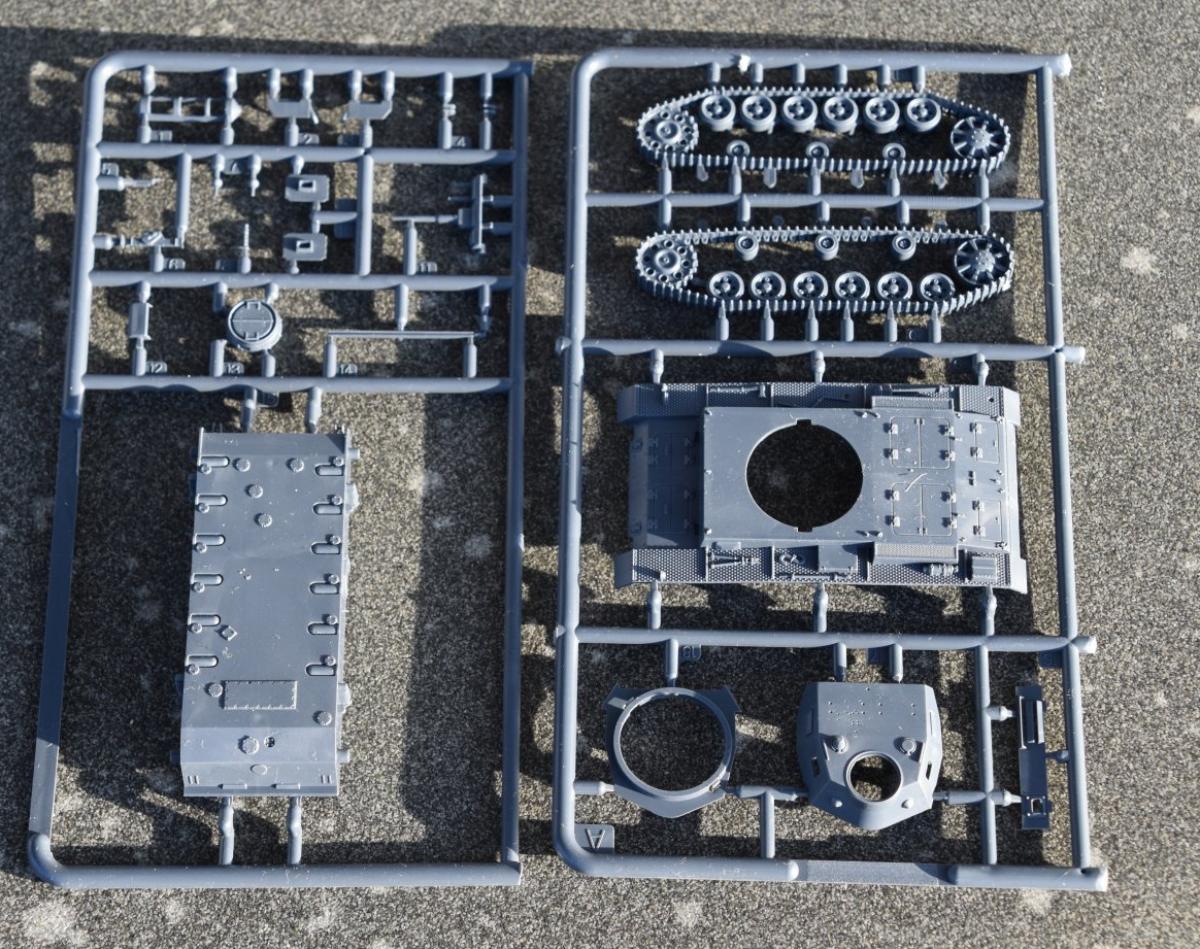
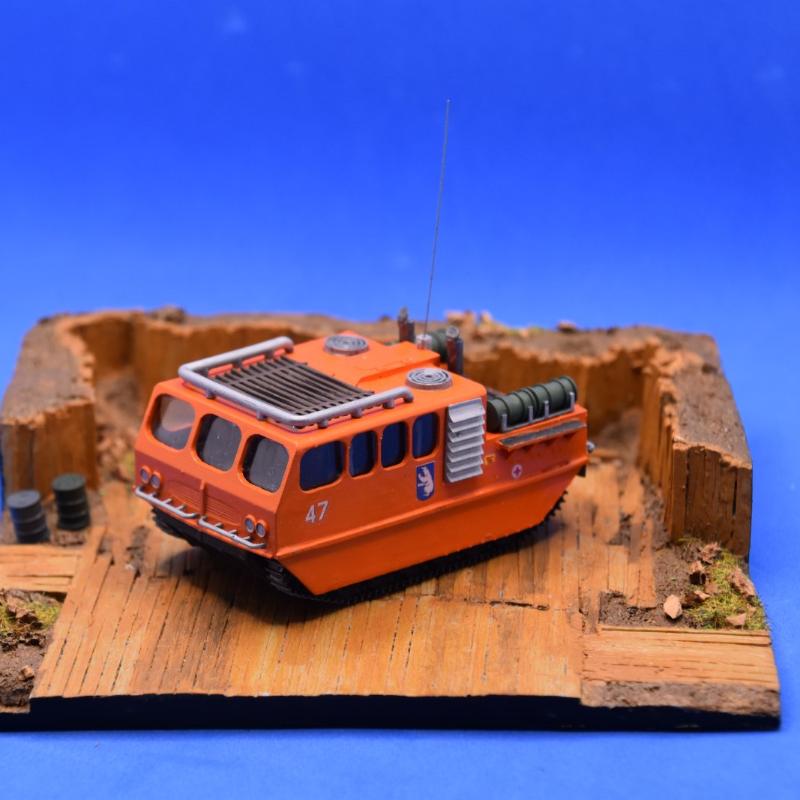
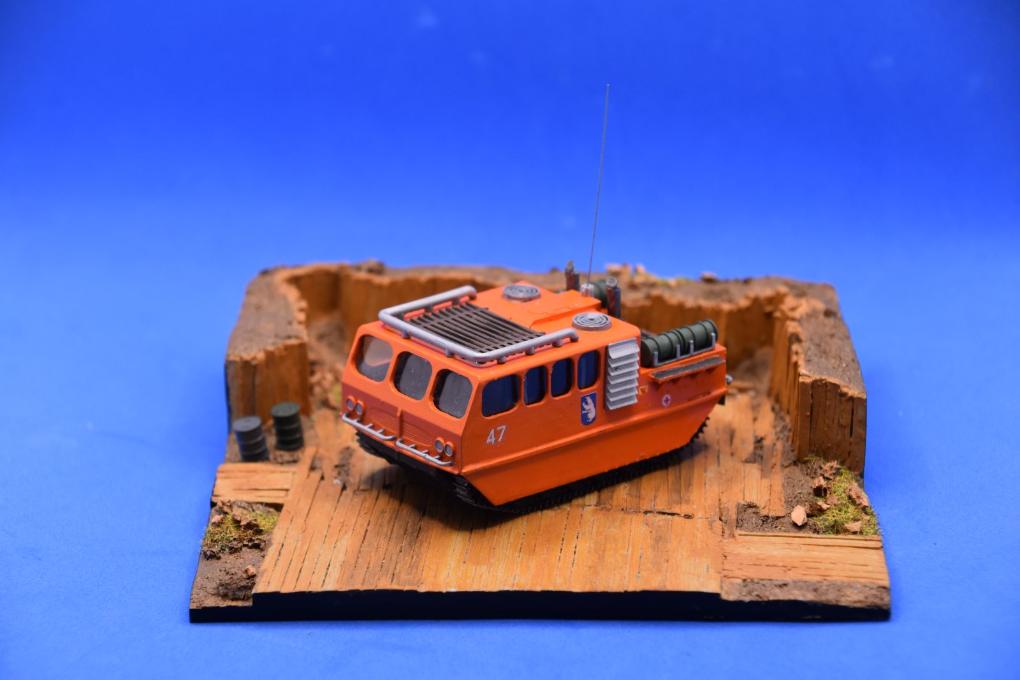
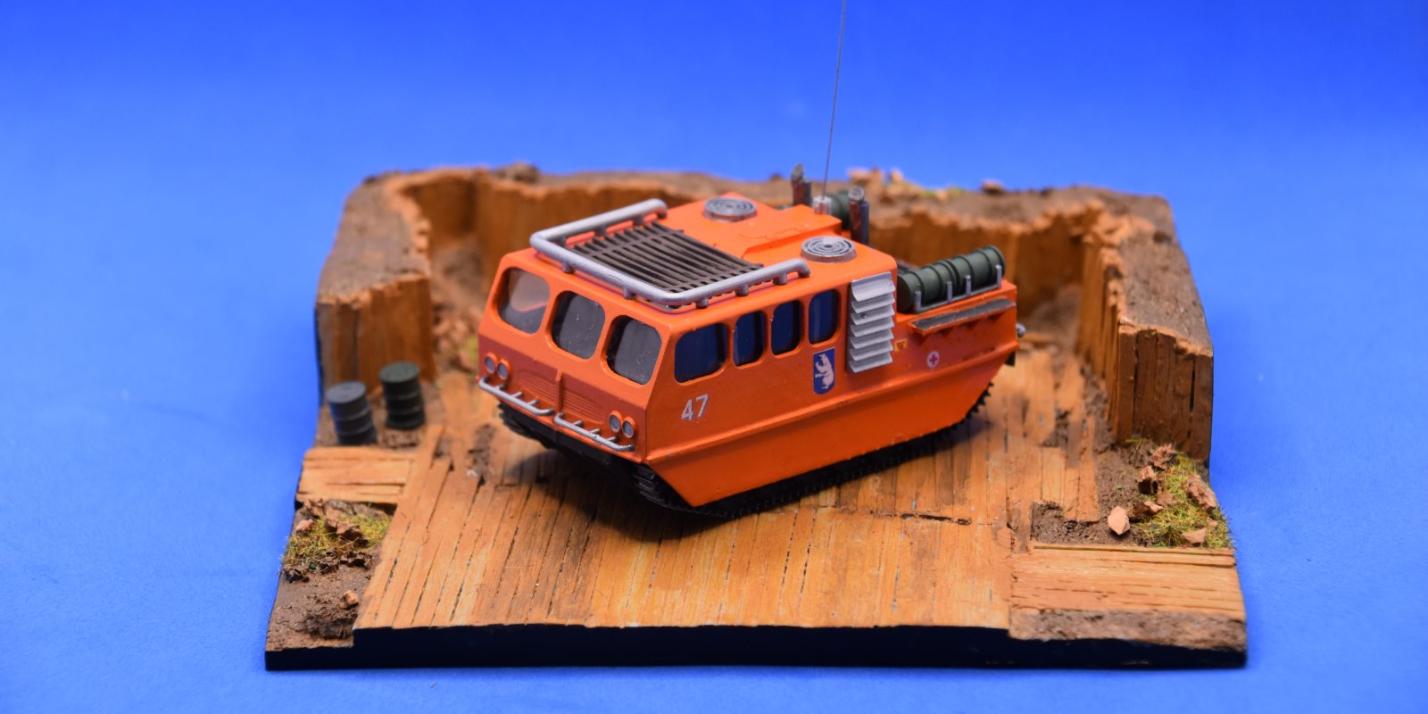
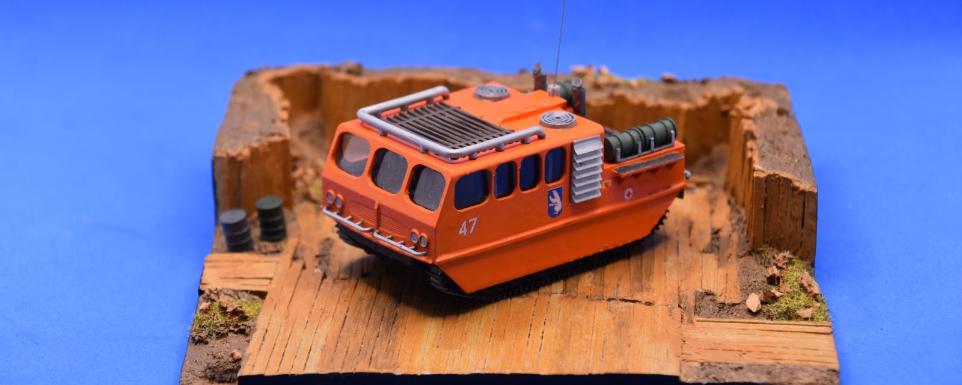
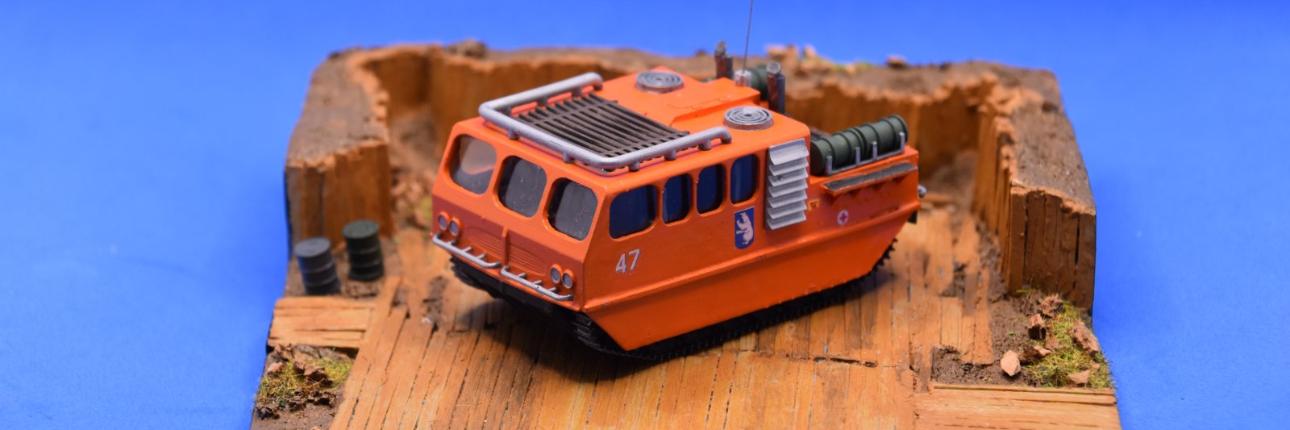
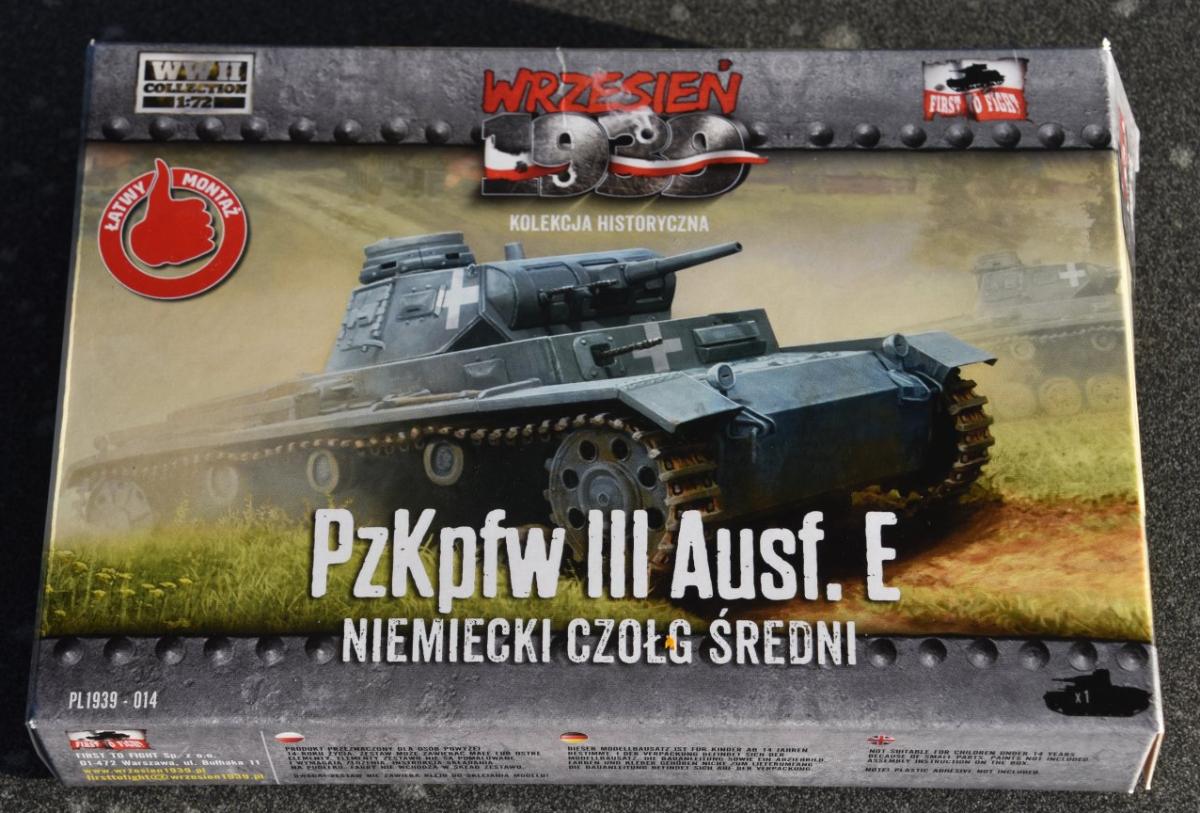
Based on a remnant of a German Panzer III chassis, the bodyshell and all other parts of the Snow Tractor are 3D designed in Tinkercad and 3D printed with a resin printer.
It took several test prints with a FDM printer and the resin printer to get the model right.
The biggest challenge was finding a material to make the windows of the vehicle, several different approaches were tested until some packaging from Christmas decorations was used.
The model was airbrushed and painted with Revell Aqua, the decals were from the decal spare box.